How to Get Rid of Ants in the Kitchen: Safe & Natural Solutions
Say goodbye to pesky ants invading your kitchen with our eco-friendly, budget-friendly guide to get rid of ants in kitchen! In 2025, homeowners are turning to natural pest control methods to keep kitchens ant-free without harmful chemicals. Whether you’re dealing with a few scouts or a full-blown trail, this step-by-step tutorial offers safe, effective solutions for all households, including those with pets or kids. Learn how to eliminate ants and prevent their return with simple DIY remedies.
Why Are Ants Invading Your Kitchen?
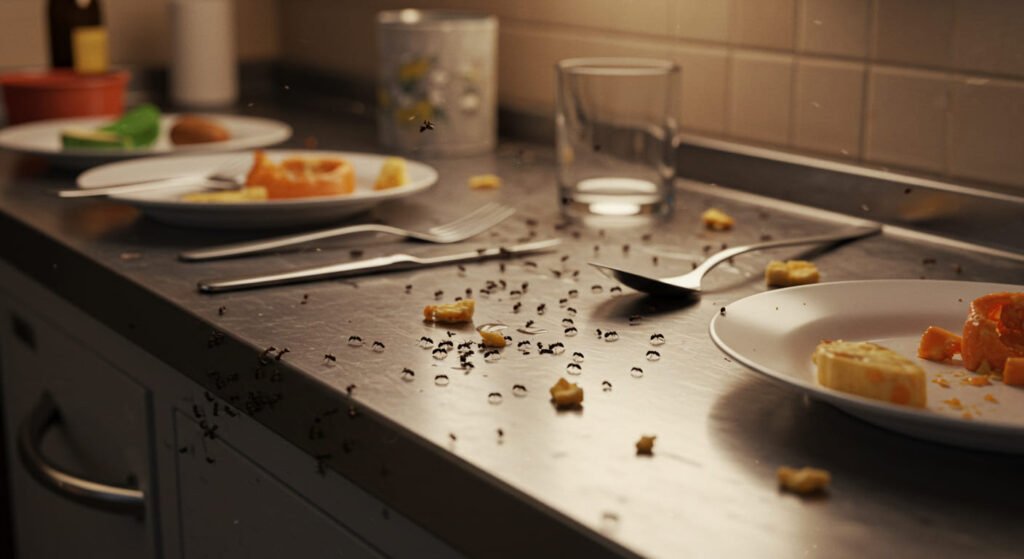
Ants are attracted to kitchens for food, water, and shelter:
Food Sources: Crumbs, sugary spills, or unsealed pantry items.
Water: Leaky taps or standing water in sinks.
Entry Points: Cracks, gaps, or open windows in UK homes, especially in warmer months like June.
Colony Behavior: Scout ants leave pheromone trails, guiding others to your kitchen.
Understanding their behavior helps you target the problem effectively. Let’s dive into safe, natural ways to get rid of ants and keep them out!
What You’ll Need
White vinegar: For cleaning and repelling ants.
Baking soda or borax: For bait traps (use borax cautiously around pets/kids).
Lemon juice or essential oils: Peppermint, tea tree, or citrus oils as repellents.
Sugar or honey: For bait mixtures.
Diatomaceous earth (food-grade): A natural ant-killing powder.
Optional: Cinnamon or coffee grounds for barriers.
Estimated Cost: £5–£20, using common household items or affordable products from supermarkets like Tesco or Wilko.
Step-by-Step Guide to get rid of Ants in Kitchen
Step 1: Identify Entry Points
Trace ant trails to find where they’re entering your kitchen (e.g., windowsills, door frames, or cracks in walls).
Inspect: Use a flashlight to check under cabinets, around pipes, or near skirting boards.
Mark: Note entry points with chalk or tape for sealing later.
Pro Tip: Ants often enter through tiny gaps—less than 1 mm wide—so be thorough.
Step 2: Clean Thoroughly
Remove food and water sources to discourage ants:
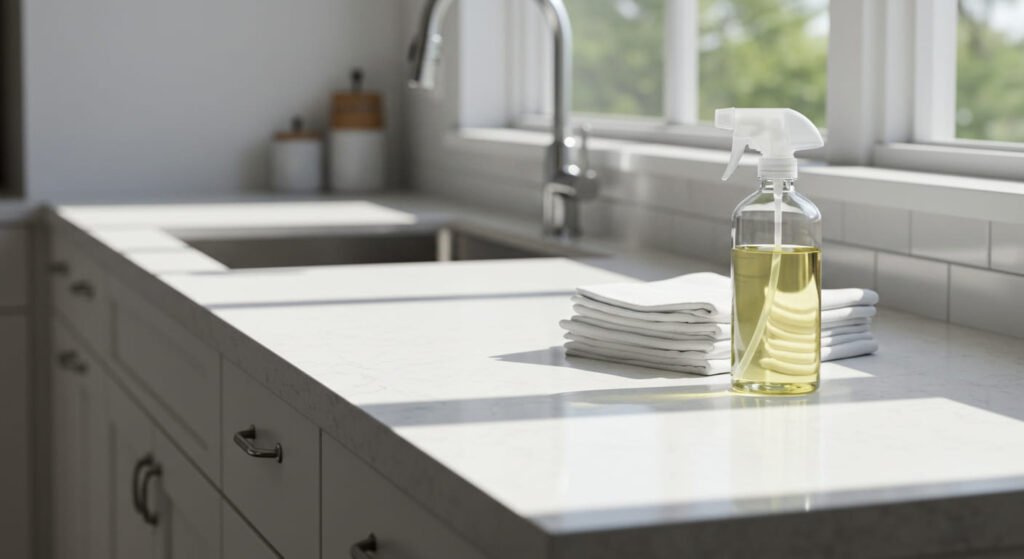
Wipe Surfaces: Mix equal parts white vinegar and water in a spray bottle. Clean counters, cabinets, and floors to erase pheromone trails.
Vacuum: Sweep up crumbs under appliances or in corners.
Store Food: Seal pantry items in airtight containers (glass or plastic).
Fix Leaks: Repair dripping taps or wipe sinks dry after use.
Step 3: Set Natural Bait Traps
Lure ants to a bait that they’ll carry back to their colony:
Borax Bait: Mix 1 tsp borax, 1 tbsp sugar, and ¼ cup warm water. Soak cotton balls in the mixture and place near ant trails (keep away from pets/kids).
Baking Soda Bait: Combine equal parts baking soda and powdered sugar. Sprinkle in small dishes near entry points.
Honey Trap: Dab honey on a piece of cardboard near trails to trap ants, then dispose of it.
Safety Tip: Place baits in areas inaccessible to children or pets, like behind appliances.
Step 4: Use Natural Repellents to get rid of ants in Kitchen
Repel ants with scents they hate:
Vinegar Spray: Spray vinegar-water mix around entry points and trails daily.
Essential Oils: Mix 10 drops of peppermint or tea tree oil with 1 cup water in a spray bottle. Apply to windowsills or corners.
Lemon Juice: Wipe surfaces with diluted lemon juice for a fresh scent.
Diatomaceous Earth: Sprinkle food-grade diatomaceous earth along trails or entry points. It dehydrates ants on contact.
Eco Tip: Opt for organic essential oils to align with 2025’s sustainability trends.
Step 5: Create Barriers
Block ant paths with natural deterrents:
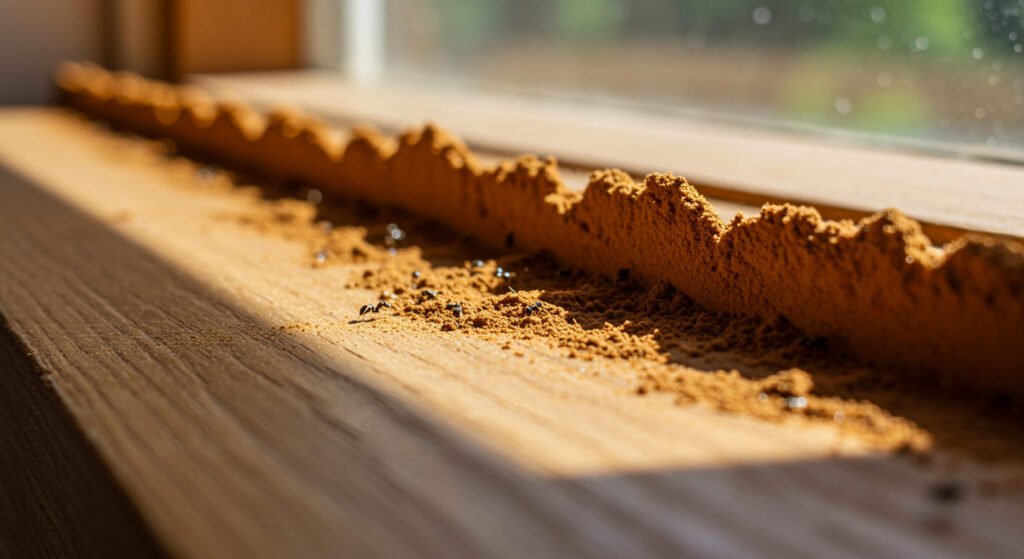
Cinnamon or Coffee Grounds: Sprinkle along windowsills or doorways.
Tape Trick: Use double-sided tape around table legs or bin bases to trap ants.
Step 6: Seal Entry Points
Prevent future invasions by sealing gaps:
Caulk: Apply silicone caulk to cracks in walls, skirting boards, or around pipes.
Weatherstripping: Add strips to door bottoms or window frames.
Mesh: Cover vents or drains with fine mesh to block tiny gaps.
Pro Tip: Check seals annually, as UK weather can cause cracks to reopen.
Step 7: Monitor and Maintain
Check for ant activity over the next few days:
Reapply Repellents: Refresh vinegar or essential oil sprays every 2–3 days.
Replace Baits: Renew bait traps if ants persist.
Stay Vigilant: Clean spills immediately and keep food sealed.
Prevention Tips to get rid of ants in Kitchen
Regular Cleaning: Wipe surfaces daily to remove food residues.
Bin Management: Use a sealed kitchen bin and empty it frequently.
Pet Food: Clear pet bowls after meals and store food in airtight containers.
Garden Care: Trim plants or branches touching your home to reduce ant highways.
Why This Approach Rocks
These natural solutions are safe, affordable, and eco-friendly, perfect for UK kitchens in 2025. They avoid toxic pesticides, protect your family and pets, and align with the growing trend of sustainable home maintenance. Plus, they’re easy to implement with items you likely already own!
Get Involved!
We’d love to hear your ant-busting success stories! Share your tips or photos in the comments or tag us on social media with #AntFreeKitchenDIY. Need advice on stubborn infestations or eco-friendly products? Drop your questions below, and our community will help!
Disclaimer: Use caution with borax or diatomaceous earth around pets and children. If infestations persist, consult a professional pest control service.